

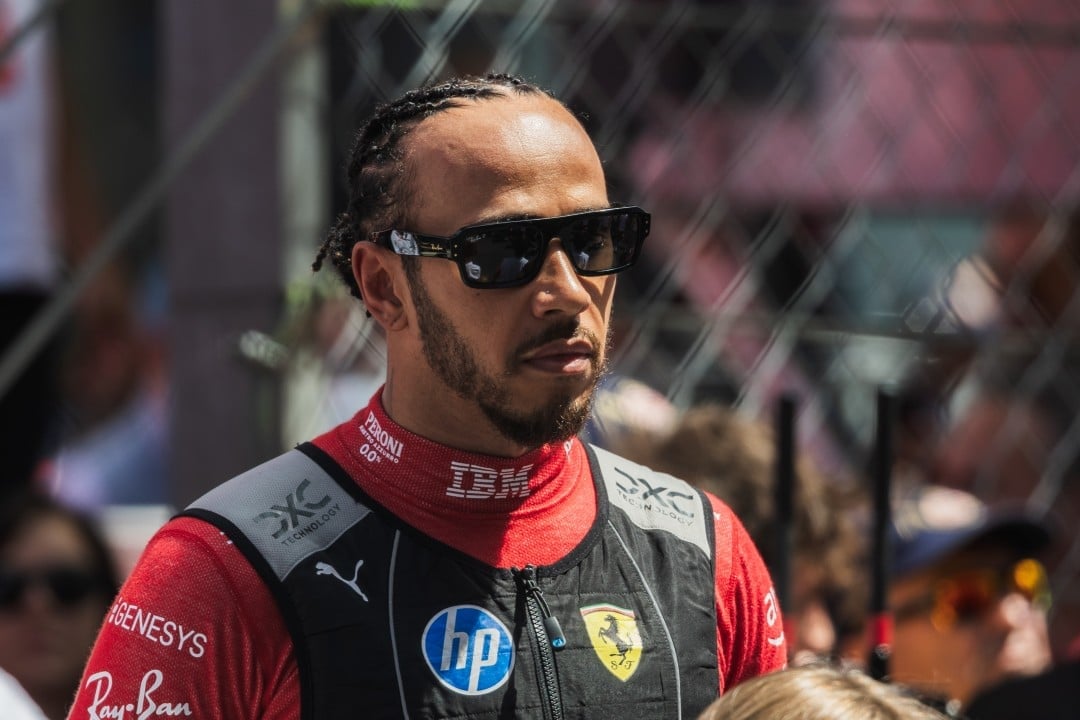
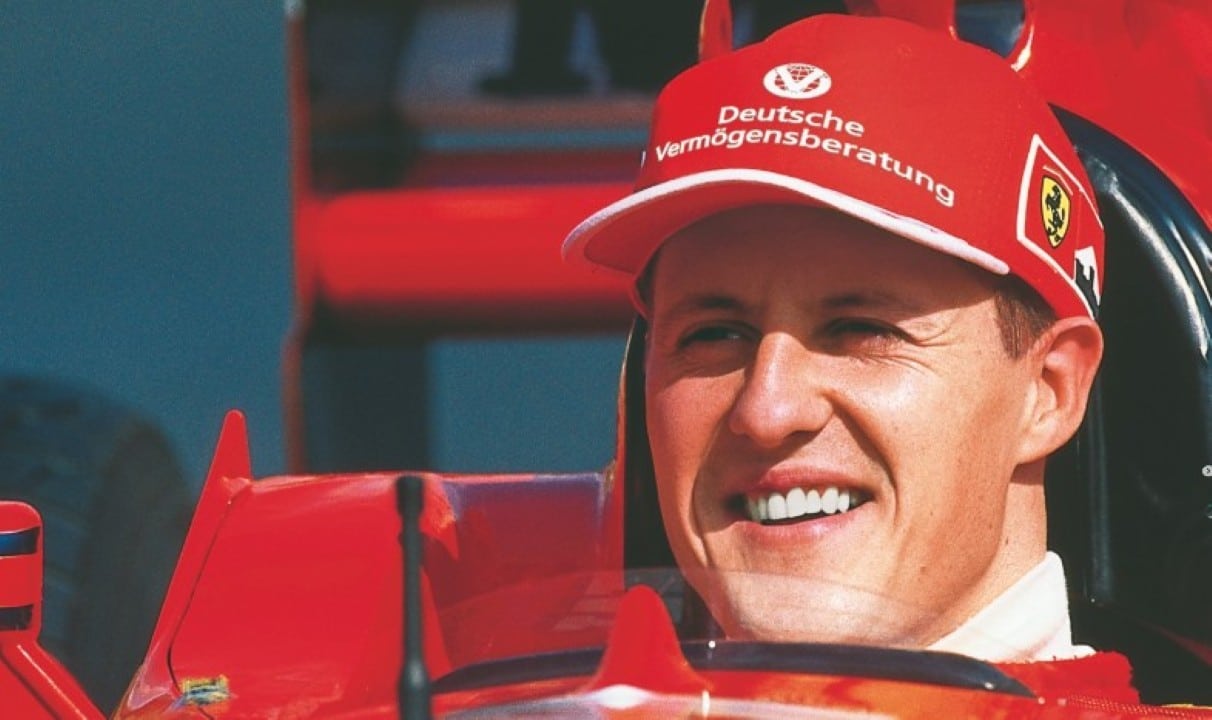
Jean Alesi, a former Ferrari driver from 1991 to 1995, sharply criticized Lewis Hamilton’s statements following the 2025 Hungary GP, held on August 3 at Hungaroring. The seven-time world champion, frustrated with his Q2 elimination and 12th-place finish, called himself “useless” and suggested Ferrari replace him, causing unease within the Italian team. Writing for the Italian newspaper Corriere della Sera, Alesi deemed the attitude demoralizing for the team and compared Hamilton to legends like Ayrton Senna and Michael Schumacher, who, he claimed, would never adopt such a stance. The criticism also extended to Charles Leclerc, who, despite starting on pole, finished fourth due to technical issues. Ferrari, second in the Constructors’ Championship, faces questions about its consistency, especially after a race marked by performance drops. The episode reignites debates about Hamilton’s adaptation to the team and the pressure on the drivers in a circuit historically favorable to the Scuderia.
Hamilton’s remarks, captured after qualifying, reverberated through the paddock and among fans, sparking mixed reactions. While some praised his honesty, others, like Alesi, saw the comment as harmful to team morale. The Frenchman, who experienced challenging years at Ferrari, emphasized the importance of a positive stance to motivate engineers and mechanics.
- Hamilton’s statements: The driver called himself “useless” and suggested replacement after Q2.
- Ferrari’s context: The team expected a strong result with the new SF-25 rear suspension.
- Internal reaction: Team principal Frédéric Vasseur downplayed the impact of the remarks.
- Comparison to legends: Alesi cited Senna and Schumacher as examples of positive leadership.
The Hungary GP, the last race before the Formula 1 summer break, exposed Ferrari’s vulnerabilities, as it failed to capitalize on Leclerc’s pole or Hamilton’s experience, the latter being the track’s most successful driver with eight wins.
Reactions to Hamilton’s stance
Hamilton’s statement sparked heated debate in the Formula 1 world. Frédéric Vasseur, Ferrari’s team principal, defended the driver, attributing the words to momentary frustration after qualifying. He highlighted that Hamilton, at 40, maintains a competitive mindset and that the team is working to align the car with his driving style. Charles Leclerc, Hamilton’s teammate, also defended the Briton, emphasizing his dedication and the inherent pressure of racing for Ferrari.
Conversely, figures like Bernie Ecclestone and Ralf Schumacher questioned Hamilton’s motivation, suggesting his age might be affecting his performance. Johnny Herbert, a former driver and FIA steward, echoed this view, noting that minor errors and slower reflexes are natural signs of aging, even for a seven-time champion.
- Internal support: Vasseur and Leclerc downplayed the criticism, focusing on team progress.
- External criticism: Ecclestone and Schumacher suggest Hamilton may be nearing retirement.
- Herbert’s analysis: Hamilton’s age, 40, may contribute to subtle on-track errors.
The contrast between internal support and external criticism highlights the pressure on Hamilton in his first season with Ferrari, especially after the high expectations following his move from Mercedes.
Technical issues at Hungary GP
The Hungaroring race exposed technical challenges that compromised Ferrari’s performance. Charles Leclerc, starting from pole, lost pace in the final laps, overtaken by Lando Norris, Oscar Piastri, and George Russell. A theory raised by Russell suggests excessive wear on the wooden plank attached to Leclerc’s car floor was the main factor, forcing the Monegasque to drive conservatively to avoid potential disqualification.
Hamilton, meanwhile, failed to make progress in the race, finishing in the same 12th position he started. Ferrari introduced a new rear suspension on the SF-25 for the Hungary GP, but the results fell short of expectations. Frédéric Vasseur admitted the team is still investigating the causes of the performance drop but confirmed no further significant updates are planned for 2025, with the focus shifting to the 2026 regulations.
- Floor wear: Leclerc faced issues that limited his pace during the race.
- New suspension: The SF-25 was updated but didn’t deliver the expected performance.
- Focus on 2026: Ferrari prioritizes development for the new regulations.
- Hamilton’s record: The driver has eight Hungaroring wins but struggled in 2025.
The combination of technical issues and driver pressure intensified criticism of Ferrari, particularly among the tifosi, who expected a stronger showing on a favorable circuit.
Ferrari’s historical context at Hungaroring
The Hungaroring circuit is a landmark in Ferrari’s history, with seven victories, the last in 2017 with Sebastian Vettel. The track, known for its twisty layout and overtaking challenges, favors cars with good traction, like the SF-25. However, the 2025 edition was marked by frustrations, with Leclerc and Hamilton unable to capitalize on the car’s Saturday strength.
Alesi described the weekend as “an Italian comedy that turned into a horror movie,” highlighting Ferrari’s inconsistency between qualifying and the race. The team, second in the Constructors’ Championship with 248 points, trails McLaren (516 points) and faces pressure to maintain competitiveness before the summer break.
- Ferrari’s history: Seven Hungaroring wins, with a standout in 2017.
- Demanding circuit: The 4.381 km track with 14 turns hinders overtaking.
- Second place: Ferrari holds 248 points but lags far behind McLaren.
The below-par performance reignited discussions about team management and the drivers’ ability to extract the car’s full potential in critical races.
Pressure on Hamilton and Leclerc
The 2025 season has been challenging for Hamilton, who has yet to secure a podium or victory with Ferrari. With 109 points, he ranks sixth in the Drivers’ Championship, behind Leclerc, who has 139 points and five podiums. Hamilton’s adaptation to the SF-25 has been slower than anticipated, especially compared to his final Mercedes season, where he amassed 125 points in 13 races.
Leclerc, meanwhile, has been Ferrari’s standout, with consistency in qualifying and races. His Hungaroring pole was a highlight, but the race’s performance drop drew criticism, including from Alesi, who pointed to the team’s inability to carry Saturday’s form into Sunday.
- Hamilton’s performance: 109 points, no podiums in 14 races.
- Leclerc’s highlight: 139 points, five podiums in 2025.
- Tifosi pressure: Fans expected an immediate impact from Hamilton.
- Slow adaptation: Hamilton struggles to adjust to the SF-25.
Ferrari now prepares for the Dutch GP, from August 29 to 31, seeking solutions for technical issues and greater consistency in the season’s second half.
Expectations for the next race
With the summer break following the Hungary GP, Ferrari plans intensive testing to align the car with Hamilton’s driving style and optimize Leclerc’s performance. Frédéric Vasseur highlighted the drivers’ dedication and the SF-25’s progress compared to the previous season but acknowledged the need for greater consistency to compete with McLaren, which leads the Constructors’ Championship with five wins in 2025.
The Zandvoort circuit, host of the next GP, presents different challenges, with high-speed corners testing Ferrari’s updates. Hamilton’s experience makes him a key asset for recovering lost ground, while Leclerc aims to maintain his consistency.
- August testing: Ferrari plans car adjustments during the break.
- Zandvoort circuit: The track demands higher speed and stability.
- Strong competition: McLaren leads with 516 points in the Constructors’ Championship.
- Recovery focus: Hamilton and Leclerc aim for better results.
The pressure on Ferrari grows, with the tifosi expecting the team to turn its potential into concrete results in the season’s final stretch.


