

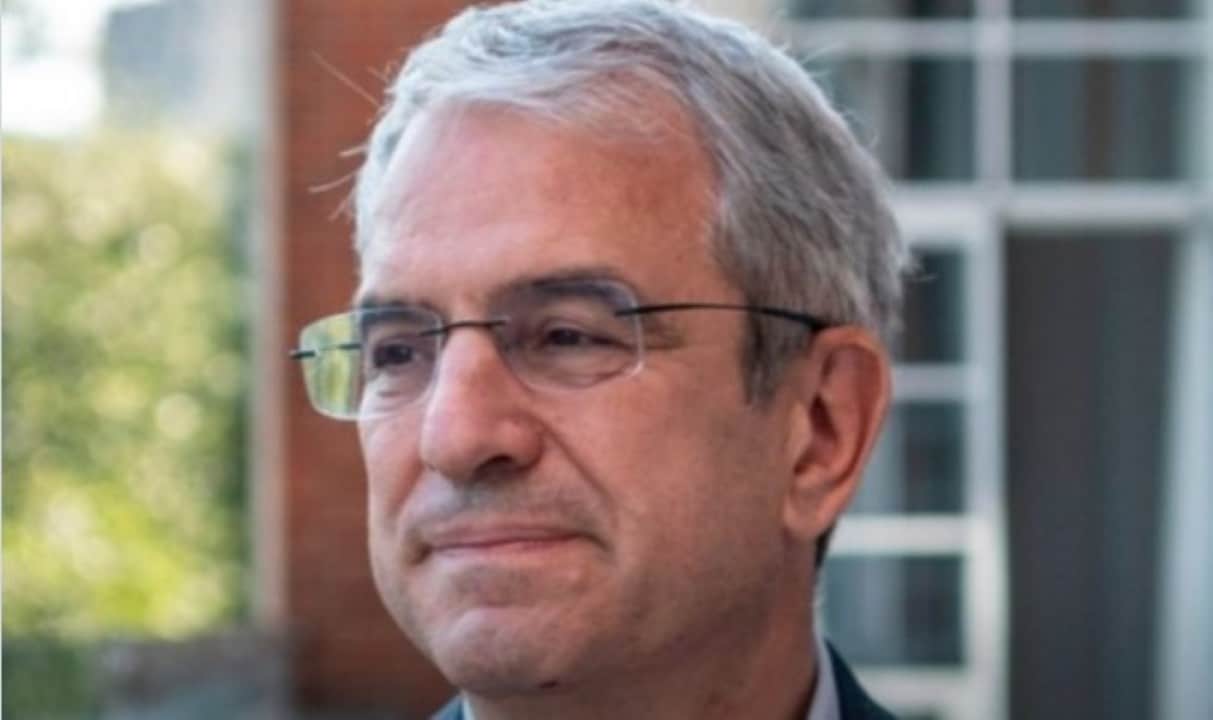
Nestlé announced the immediate dismissal of its CEO, Laurent Freixe, on September 1, 2025, in Vevey, Switzerland, after an internal investigation revealed an undisclosed romantic relationship with a direct subordinate, violating the company’s Code of Business Conduct. The investigation, led by Chairman Paul Bulcke and Lead Independent Director Pablo Isla, with support from external legal counsel, confirmed the breach. Philipp Navratil, previously CEO of Nespresso, was appointed as the new chief executive, taking office immediately. The decision underscores the company’s commitment to governance values, maintaining its current business strategy unchanged, according to an official statement. The change comes at a challenging time for Nestlé, facing pressures for growth and internal restructuring. Navratil, with over two decades at the company, is seen as a leader capable of sustaining performance and accelerating efficiency initiatives.
The leadership change stunned the market, especially as it follows Freixe’s appointment just a year ago, succeeding Mark Schneider, who was dismissed in August 2024 for underperformance. Nestlé, the world’s largest packaged food company, faces a competitive landscape with demands for innovation and sustainability. Navratil, who joined the company in 2001, brings extensive experience in global markets, particularly in the coffee sector, where he led strategies for brands like Nescafé and Starbucks.
Breaking news: Nestlé has named Philipp Navratil as its new chief executive after the sudden dismissal of company veteran Laurent Freixe, who had been with the company for nearly 40 years https://t.co/jZbnTuTnHl pic.twitter.com/hJKgFfKO2N— Financial Times (@FT) September 1, 2025
Key points of the transition:
Laurent Freixe’s dismissal due to Code of Conduct violation.
Immediate appointment of Philipp Navratil as new CEO.
Nestlé’s strategy remains unchanged, focusing on growth and efficiency.
Investigation conducted by the board with external legal support.
The swift board decision reflects Nestlé’s priority to maintain trust among investors and consumers while navigating external pressures, such as sustainability and governance controversies.
Philipp Navratil’s career at Nestlé
Philipp Navratil, aged 49, is a seasoned executive who joined Nestlé in 2001 as an international auditor. His career spans various markets in Central America, where he held commercial roles, and strategic leadership in the coffee sector. In 2009, he served as country manager in Honduras, and from 2013, he led the coffee and beverage business in Mexico, strengthening the Nescafé brand. In 2020, he became senior vice president of the Coffee Strategic Business Unit, overseeing global strategies for Nescafé and Starbucks. Since July 2024, Navratil led Nespresso, implementing initiatives like the Reviving Origins program to support coffee-producing communities and developing compostable capsules.
His appointment as Nestlé’s CEO is viewed as a move to ensure continuity. Navratil is described as a collaborative leader with the ability to inspire teams and tackle competitive markets. He joined the executive board in January 2025, reflecting his rapid rise.
Highlights of Navratil’s career:
International auditor at Nestlé (2001-2003).
Country manager in Honduras (2009-2013).
Head of coffee business in Mexico (2013-2020).
Senior vice president of the Coffee Unit (2020-2024).
CEO of Nespresso (July 2024 to September 2025).
The executive, who holds an MBA from the University of St. Gallen, Switzerland, speaks five languages and has global experience, positioning him as a strategic choice to lead Nestlé in a globalized market.
Reasons for Laurent Freixe’s departure
Laurent Freixe, who became Nestlé’s CEO in September 2024, was dismissed after an investigation uncovered an undisclosed romantic relationship with a direct subordinate. The conduct was deemed a serious violation of Nestlé’s Code of Business Conduct, which emphasizes transparency and ethics in professional relationships. The investigation, led by Paul Bulcke and Pablo Isla with external legal support, ensured impartiality. The board’s unanimous decision to remove Freixe reinforces Nestlé’s commitment to governance principles.
Freixe, who spent nearly 40 years at the company, held key roles, including leading the European division and driving growth through increased advertising investments. Despite his short tenure as CEO, his abrupt exit sparks discussions about corporate culture and crisis management in major multinationals.
Factors leading to the dismissal:
Undisclosed relationship with a direct subordinate.
Violation of Nestlé’s Code of Business Conduct.
Investigation supported by external legal counsel.
Decision reinforces the company’s governance and values.
Freixe’s departure comes at a sensitive time, following Mark Schneider’s exit, increasing pressure on Navratil to stabilize leadership and maintain market confidence.
Nestlé’s strategy under new leadership
Nestlé confirmed it will not alter its current strategy, which focuses on organic growth, product innovation, and operational efficiency. Philipp Navratil inherits a plan prioritizing digitalization, sustainability, and organizational restructuring. During his time at Nespresso, he implemented AI-driven supply chain solutions, boosting margins and brand loyalty. The company also faces challenges like inflation, weak demand in China, and controversies related to sustainability, such as a €3 billion mineral water fraud in France and labor issues in the cocoa supply chain.
Navratil expressed support for the company’s strategic plan, emphasizing the need to accelerate execution and create value. The restructuring into five global zones, initiated before his appointment, aims to enhance regional agility and responsiveness.
Nestlé’s strategic priorities:
Organic growth through product innovation.
Investments in digitalization and artificial intelligence.
Sustainability, focusing on compostable capsules and programs like Reviving Origins.
Restructuring into five global zones for greater agility.
Maintaining strategic continuity is crucial to sustaining investor confidence, especially amid leadership instability.
Market and investor reactions
The dismissal of Freixe and Navratil’s appointment elicited mixed market reactions. Analysts note that the swift replacement demonstrates Nestlé’s strong governance, but successive leadership changes may raise concerns about stability. Nestlé, with a presence in 81 markets and brands like KitKat, Nescafé, and Perrier, is a global food giant, with sales distributed across the United States (35.2%), Europe (24.1%), and Asia (26.9%). Appointing an internal executive like Navratil is seen as an effort to minimize disruptions.
Investors are focused on Q4 2025 results, which will be critical for assessing Navratil’s reforms. The company faces pressure to maintain margins amid inflation and rising costs while advancing sustainability goals, such as reducing emissions and using recyclable packaging.
Initial market reactions:
Concern over leadership instability after two changes in a year.
Confidence in Navratil’s experience in coffee and global markets.
Expectations for Q4 2025 financial results.
Focus on governance and transparency to restore trust.
Navratil’s ability to balance short-term profitability with long-term investments will be pivotal for his tenure’s success.
Corporate governance context
Freixe’s dismissal reflects a broader trend of companies strengthening governance and ethics policies. High-profile scandals involving workplace relationships have gained attention, such as a recent case of a CEO caught on a “kiss cam” at a Coldplay concert in the U.S., attempting to conceal a relationship with a colleague. Nestlé, which has faced criticism over issues like child labor in cocoa supply chains and fraud in its mineral water division, aims to bolster its reputation with strict measures.
The board’s investigation, supported by external counsel, underscores a commitment to transparency but highlights the vulnerability of high-profile leaders. Navratil will need to reinforce a culture of compliance and ethics while focusing on financial performance.
Trends in corporate governance:
Stricter workplace conduct policies.
Use of external consultants for impartial investigations.
Pressure for transparency in major multinationals.
Focus on rebuilding trust post-scandals.
Navratil’s leadership will be judged not only on financial outcomes but also on his ability to uphold Nestlé’s corporate values.