

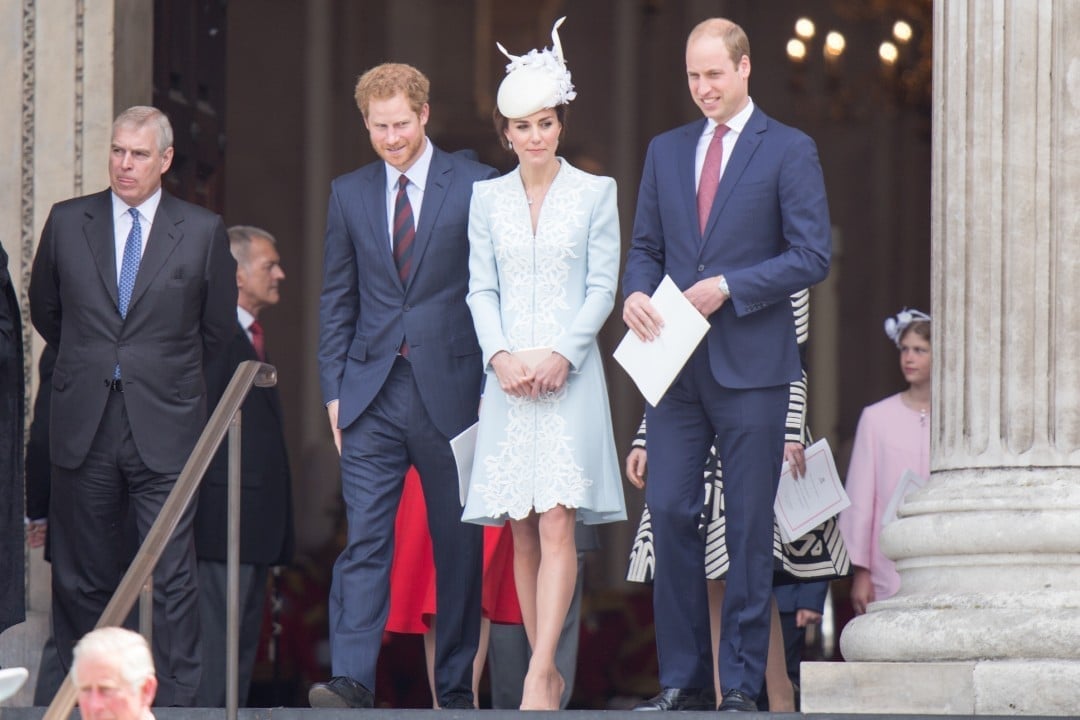
The British monarchy is navigating a pivotal transition, with Prince William and Princess Kate Middleton taking on prominent roles amid King Charles III’s cancer diagnosis. The heirs’ preparation for the throne, marked by public engagements and modern initiatives, underscores the Crown’s stability during a sensitive period. The couple’s dedication to balancing royal traditions with contemporary demands has earned public trust, with Britons seeing them as the future of steady leadership. As Charles III adjusts his duties to manage treatment, William and Kate intensify their presence at official events, signaling a carefully planned and seamless transition.
Royal commitments: Participation in diplomatic events, charity visits, and community meetings.
Monarchy modernization: Use of digital platforms to engage the public and address issues like sustainability.
Public support: Over 70% of Britons trust the couple’s ability to lead the monarchy in the future.
The couple has focused on strengthening the monarchy’s connection with the public, attending events ranging from inaugurations to community leader meetings. Kate’s ability to blend social causes, such as child health, with the royal image has made her a central figure in this new phase. William, groomed for the throne since youth, combines practical experience with a strategic vision for the Crown. Their joint preparation is seen as a cornerstone for the institution’s continuity in a rapidly changing world.
Preparation for leadership
Prince William, as the direct heir, has been shaped for the throne since childhood. His service in the Royal Air Force and involvement in philanthropic causes, like mental health, demonstrate preparation beyond ceremonial duties. Kate Middleton has earned respect for balancing royal etiquette with an accessible approach, particularly in early childhood projects. Together, they logged over 250 royal engagements in 2023, a number expected to rise as they take on more responsibilities.
Their preparation extends beyond public appearances. They have invested in initiatives reflecting contemporary values, such as sustainability and social inclusion. These efforts show a commitment to making the monarchy relevant to younger generations.
William’s experience: Military training and leadership in philanthropic projects.
Kate’s projects: Focus on child health and early education, with global impact.
Public engagement: 20% increase in royal events attended by the couple since 2021.
Modern vision: Strategic use of social media to bring the monarchy closer to the public.
The couple has also stood out in UK regional visits, like a recent trip to northern England, where they joined community events and inaugurations. These actions reinforce the monarchy’s ties to British roots while showcasing William and Kate’s readiness for greater leadership roles.
Muhammad Aamir Sumsum/Shutterstock.com
Public response to Charles III’s health
King Charles III’s cancer diagnosis, announced in 2024, sparked widespread solidarity in the UK. Despite treatment-related limitations, the monarch continues to fulfill key duties, adapting his schedule to prioritize essential commitments. The transparency about his health has been well-received, with surveys showing 65% of Britons approve of the monarchy’s handling of the matter.
While Charles III maintains his leadership, William and Kate have stepped in to ensure royal obligations are met without disruption. This strategic approach has reassured the public, with 72% expressing support for the gradual transition to the next generation.
Modernization of the British monarchy
William and Kate have worked to adapt the monarchy to 21st-century expectations. From changes in dress protocols to more direct public interactions, they aim to make the institution more inclusive. Their use of digital platforms, like Instagram, has been a powerful tool to share personal and professional moments, especially with younger audiences. In 2024, royal family posts garnered over 50 million interactions, a 15% increase from the previous year.
Digital communication: Regular posts about royal events and social causes.
Inclusion: Projects addressing diversity and contemporary social issues.
Sustainability: Support for environmental initiatives, like William’s Earthshot Prize.
Accessibility: Direct public interactions at community events.
These changes reflect a monarchy striving to remain relevant in a transforming world. William and Kate’s ability to blend tradition with innovation is seen as a key strength for the Crown’s future.
Regional commitments and community impact
The couple’s recent visits to UK regions highlight their commitment to local communities. During an event in northern England, they attended inaugurations and met with community leaders, reinforcing the monarchy’s role as a unifying symbol. These actions not only strengthen public ties but also demonstrate the practical and empathetic approach of the future king and queen consort.
Kate, in particular, shines in her dedication to causes like child health. Her early childhood initiative has impacted over 10,000 UK families, according to 2024 data. William continues to lead mental health programs, reaching over 1 million people in the past five years.
Global relevance of the monarchy
The British monarchy retains significant global influence, with William and Kate playing key roles. Their 2024 diplomatic trips to Australia and Canada strengthened Commonwealth ties. The couple has also used their platform to highlight global issues, like the climate crisis, with William’s Earthshot Prize awarding £15 million to sustainable projects across five continents.
Royal diplomacy: International visits promoting British interests.
Environmental impact: Earthshot Prize supporting global sustainability.
Global connection: Engagement with world leaders at events like COP29.
Visibility: The monarchy reaches millions via global social media.
Social causes: Kate’s projects gain recognition at international forums.
This global presence reinforces the monarchy’s potential as a force for positive change, maintaining its relevance in a dynamic international context.