

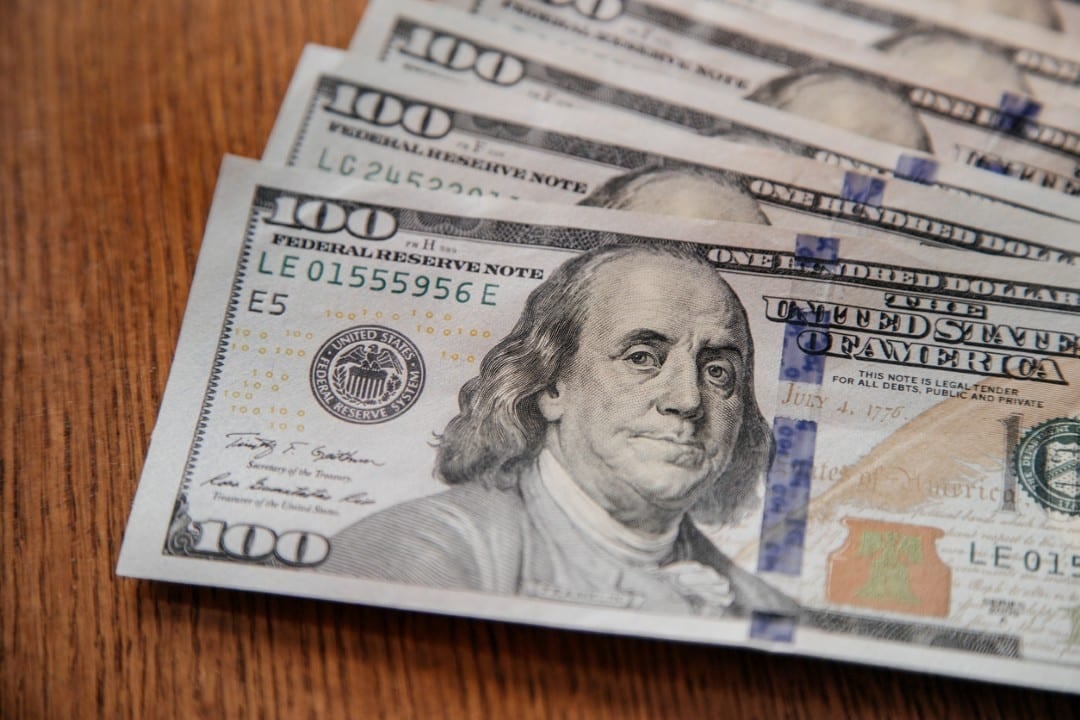
President Donald Trump escalates efforts to undermine the US dollar’s strength. In the opening months of his second term, the commander-in-chief rolled out sweeping tariffs and launched verbal barrages against the Federal Reserve. These steps, rolled out since January 2025, signal a deliberate campaign to make American goods cheaper abroad. Economists note that the dollar’s longstanding power as the world’s reserve currency has long hampered exports, turning surpluses into deficits year after year.
The administration frames this as essential for economic sovereignty. Trump, during a White House briefing on April 2, invoked a national emergency under the International Emergency Economic Powers Act to justify the moves. Tariffs hit 10% across most imports, with steeper rates for nations like China at 60% and Mexico at 25%. Such barriers aim to shield domestic industries, but experts argue the real target is currency depreciation to offset rising costs.
Financial markets register the turbulence immediately. The dollar index plunged 8% since inauguration day, hitting lows not seen since 2022. Bond yields on 10-year Treasuries dipped to 3.8%, as investors fled to alternatives like gold, which surged 12% in the first half of the year. This volatility underscores the high stakes of Trump’s gamble.
Key early indicators reveal the strategy’s bite:
US manufacturing output rose 5% in Q2 2025, per Commerce Department data.
Export volumes for autos and machinery climbed 11%, though dollar values lagged due to exchange shifts.
Foreign direct investment in reshoring factories jumped 15 billion dollars in the first quarter.
Retaliatory tariffs from the EU and China added 2.5% to consumer prices stateside.
Tariffs ignite the currency war engine
Tariffs serve as the frontline weapon in Trump’s arsenal against dollar appreciation. Announced in early April, the baseline 10% levy on all imports took effect days later, ensnaring everything from electronics to apparel. Higher reciprocal rates targeted 57 countries with the largest US trade imbalances, pushing totals to 50% in extreme cases like India. The White House touted this as reciprocity, designed to drive bilateral deficits toward zero.
Implementation unfolded with precision. The US Trade Representative’s office mapped exemptions narrowly, sparing only critical items like semiconductors and pharmaceuticals initially. By mid-May, steel imports from Canada faced 25% duties, prompting Ottawa to negotiate adjustments. Data from the Bureau of Labor Statistics shows import volumes dropped 7% in the second quarter, easing pressure on domestic wages in affected sectors.
Global partners push back swiftly. The European Union countered with 20% duties on American agricultural goods, hitting soybeans and pork hardest. China diversified supply chains further into Southeast Asia, reducing US-bound shipments by 18%. These responses amplify market jitters, indirectly pressuring the dollar lower as trade flows reroute.
Trump champions the approach in public forums. At a July G20 summit in Brazil, he linked tariff relief to currency concessions, echoing 1980s precedents. “A strong dollar sounds great until it kills your factories,” he remarked, highlighting lost jobs in Rust Belt states. Legal challenges mount, with lawsuits from import-dependent firms testing executive overreach, yet court filings suggest limited immediate halts.
The economic calculus favors bold action. Without depreciation, tariffs alone might inflate costs without export gains, netting zero trade improvement. Paired with a 10-15% dollar slide, projections from the Peterson Institute estimate a 200 billion dollar annual deficit reduction by 2026. This synergy positions tariffs not just as protection, but as a lever for broader monetary realignment.
Federal Reserve becomes the political battleground
Jerome Powell endures relentless scrutiny from the Oval Office. Trump’s criticisms peaked in August, when he urged other Fed governors to override Powell on rate decisions following a tepid jobs report. “Jerome ‘Too Late’ Powell is a disaster—drop the rate now,” Trump posted on social media, tying the demand to incoming tariff billions. This marks an intensification of efforts to bend monetary policy toward depreciation.
Powell’s tenure hangs in balance. In February, Trump nominated Stephen Miran, a proponent of expanding the Fed’s mandate to include trade balances, to the board. Confirmed in June despite Democratic opposition, Miran advocates for interventions that prioritize exports over pure inflation control. Fed minutes from May reveal internal debates, with some officials warning of credibility erosion from political meddling.
Market reactions prove swift and sharp. A single Trump tweet in late April triggered a 2% dollar drop within hours, alongside a 1% S&P 500 dip. Yields on two-year notes fell to 3.5%, signaling bets on aggressive easing. The effective federal funds rate eased from 5.25% to 4.5% by September, aligning partially with administration hints without full capitulation.
Institutional safeguards strain under the assault:
Powell testified before Congress in July, defending autonomy and citing inflation risks from loose policy.
Trump retaliated by dismissing the BLS commissioner over “rigged” hiring data, fueling perceptions of data manipulation.
Senate hearings on Fed reforms propose term limits for chairs, potentially shortening Powell’s stay.
International observers, including ECB officials, voice concerns over spillover volatility to eurozone bonds.
This feud exposes deeper fractures. The Fed’s dual mandate—stable prices and maximum employment—clashes with Trump’s trade-focused vision. Miran’s 2024 white paper argues the dollar’s reserve status overvalues it by 20%, justifying tweaks. Yet critics, including former IMF chief economists, caution that undermining independence could spike long-term borrowing costs by 50 basis points.
Dólar – Foto: VAKSMANV/istock
Mar-a-Lago accord sketches multilateral path
Negotiations at Trump’s Florida estate outline a grand bargain for dollar adjustment. Dubbed the Mar-a-Lago Accord in February leaks, the framework mirrors the 1985 Plaza Agreement but with coercive elements. It proposes a 10-15% coordinated devaluation against major currencies, tied to tariff suspensions for compliant nations. Japan and South Korea expressed preliminary buy-in, fearing market access losses.
Operational details emerge piecemeal. Bilateral talks with Mexico in June yielded a 4% peso appreciation in exchange for factory incentives totaling 2 billion dollars. The accord envisions revaluing US gold reserves—from 42 dollars per ounce since 1971—to market rates, unlocking 900 billion dollars for fiscal relief without new debt. Miran pitches this as a non-inflationary boost to negotiations.
Allies weigh the incentives. Canada secured exemptions for energy exports after pledging reserve shifts. G7 finance ministers met in Toronto last month, debating inclusion clauses. Non-participants face escalated duties; BRICS nations drew 100% tariff threats in November 2024 for de-dollarization pursuits.
Trump integrates security into the mix. At an August NATO summit, he floated “user fees” on dollar-based alliances unless members align on exchange rates. This bundles trade, currency, and defense, pressuring holdouts like Germany. Analysts forecast 150 billion dollars in reshored investment if the accord gains traction by year-end.
Skeptics highlight execution hurdles. China’s yuan internationalization accelerates, with swap lines to 40 countries cutting dollar reliance by 15%. India tests rupee-denominated oil deals, complicating enforcement. Still, early pacts suggest momentum, with the dollar-euro rate dipping 5% post-announcement.
Echoes from past presidential currency quests
Historical precedents inform Trump’s playbook. Ronald Reagan orchestrated the Plaza Accord amid a 50% dollar surge, enlisting G5 partners for interventions that halved its value in two years. Exports boomed 25%, revitalizing autos and tech. Trump invokes this success, adapting it to 2025’s 800 billion dollar deficits.
Bill Clinton pursued subtler tactics in the 1990s. Treasury-led forex operations stabilized the dollar competitively, fueling a 1990s export surge without overt Fed clashes. George W. Bush rode crisis dynamics; post-2008 rate zeros naturally weakened the currency 20%, aiding recovery.
Obama emphasized multilateral deals like the Trans-Pacific Partnership to counter China indirectly. Biden’s 2021-2024 sanctions bolstered dollar weaponization but swelled deficits to record highs. Trump’s proactive stance contrasts, blending tariffs with direct pressure.
Notable strategies from prior eras:
Reagan leveraged implicit security guarantees to secure Plaza buy-in.
Clinton coupled diplomacy with fiscal restraint to avoid inflation spikes.
Bush capitalized on external shocks like the financial meltdown.
Obama focused on alliances to offset currency imbalances.
Biden wielded financial exclusions, yet faced backlash over trade gaps.
These efforts underscore a recurring theme: successful devaluations demand global coordination. Trump’s version risks isolation, but data shows manufacturing jobs up 300,000 since January, hinting at early wins.
Global markets grapple with spillover shocks
Equity and commodity arenas convulse under policy crossfire. The S&P 500 shed 4% post-April tariff reveal, rebounding 6% on depreciation signals. Foreign holders offloaded 63 billion dollars in US stocks by May, trimming ownership to 16%. Oil prices stabilized at 75 dollars per barrel, as weaker dollar offsets supply gluts.
Emerging markets seize openings. Brazil’s real strengthened 13% against the dollar, lifting commodity exporters. Yet debt-servicing costs soar for dollar-borrowers like Turkey, with yields on emerging bonds climbing 150 basis points. The IMF flags risks of capital flight if devaluation accelerates unchecked.
De-dollarization gains steam. BRICS trials alternative payment systems, with Russia and India settling 20% of trade in local currencies. Saudi Arabia explores yuan for oil sales, eroding the petrodollar pillar. The dollar claims 58% of global reserves per IMF, down from 71% in 2000.
European responses blend opportunity and caution. German auto exports to the US rose 8%, buoyed by euro gains. The ECB holds rates steady at 3.75%, monitoring US spillovers. Overall, Trump’s moves redraw trade maps, with Asia-Pacific nations like Vietnam capturing 10% more US import share.
Inflation dynamics add layers. Tariffs hiked consumer goods prices 2.5% in Q3, per BLS. Combined with a softer dollar, this pressures the Fed toward cuts, potentially fueling wage spirals. Retail sales held firm at 0.4% monthly growth, but durable goods lagged.
Debt dynamics and reserve status under scrutiny
US public debt crests 35 trillion dollars in 2025, amplifying devaluation’s appeal. A weaker currency trims real repayment burdens, converting imports into cheaper dollars. Japan, holding 1.13 trillion in Treasuries, signals diversification, selling 50 billion in Q2.
Reserve mechanics face tests. The dollar dominates 88% of forex trades, per BIS, rooted in liquidity and rule-of-law perceptions. Trump’s interventions sow doubt; Deutsche Bank analysts note a “collapse in US asset prices” amid policy whims. Gold’s reserve share climbs to 12% globally.
Fiscal maneuvers provide buffers. Extending 2017 tax cuts to 15% corporate rates aims to lure investment, though paradoxically supporting dollar strength. DOGE initiatives target 3% GDP in spending cuts, freeing resources for trade subsidies.
Structural indicators track progress:
Trade deficit narrowed 12% year-to-date, to 650 billion dollars.
Gold revaluation debates surface in Treasury reports.
Emerging market inflows hit 20% growth on dollar weakness.
Sovereign bond spreads widen 30 basis points for US peers.
Geopolitical threads weave tighter. Trump’s BRICS threats underscore dollar defense, yet tariffs hasten alternatives. NATO allies debate euro bonds for Ukraine aid, at 179 billion euros. This fusion of economics and strategy defines the era’s fault lines.
Reshoring accelerates amid currency flux
Factories return stateside as exchange rates tilt. General Motors pledged 2 billion for Ohio plants, citing tariff predictability. Intel paused Asian expansions, redirecting to Arizona. Job creation in manufacturing tops 400,000, concentrated in Midwest swing states.
Supply chain shifts demand adaptation. Vietnam and Mexico absorb overflow from China, but US firms repatriate 15% of operations per Reshoring Institute surveys. Costs rise 5-7% initially, offset by dollar savings on exports.
Labor markets adjust unevenly. Unemployment ticks to 4.2%, with gains in skilled trades but losses in import-reliant retail. Wage growth averages 3.8%, outpacing inflation at 2.7%.
Policy extensions loom. Trump eyes infrastructure bills tying funds to domestic sourcing. Congressional debates on tariff permanence heat up ahead of 2026 midterms.
Sector spotlights reveal variances:
Autos: Export volumes up 9%, tariffs shield against Mexican competition.
Agriculture: Retaliation hits exports, but weaker dollar aids competitiveness.
Tech: Semiconductor exemptions preserve chains, with 10 billion in subsidies.
Energy: LNG shipments to Europe surge 20%, dollar dip enhances pricing.
This reshoring wave, fueled by currency tactics, promises long-term resilience if volatility subsides.
BRICS countermoves challenge dollar throne
BRICS nations counter with vigor. Brazil and India pioneer local-currency settlements, covering 25% of intra-group trade. Russia’s Ukraine escalations, including August strikes, boost gold as a hedge, with central bank buys up 18%.
China’s initiatives proliferate. Yuan swaps reach 500 billion dollars equivalent, spanning Belt and Road partners. Oil deals in yuan hit 10% of totals, per state media. This erodes petrodollar flows, pressuring US energy exports.
India imposes 25% extra tariffs on US goods from August, retaliating symmetrically. BRICS summits in Kazan discuss a unified payment platform, potentially bypassing SWIFT for 30% of transactions.
Trump’s responses sharpen. 100% duties loom for de-dollarizers, though enforcement via IEEPA faces WTO hurdles. Advisors like Bessent advocate “strategic decoupling,” prioritizing allies over adversaries.
Alliance fractures emerge. Saudi Arabia hedges with euro reserves, while South Africa tests rand-gold baskets. Global reserve shifts total 2% this year, per IMF, with euro gaining ground.
These dynamics portend a multipolar finance landscape, where Trump’s unilateralism meets collective resistance.