

The U.S. Department of Education announced the finalization of regulations amending the Public Service Loan Forgiveness Program (PSLF) to exclude organizations that engage in activities deemed “illegal” by the government. The measures, which will take effect in July 2026, define actions such as supporting irregular migrants and transgender people as illegal, and directly impact civil servants and NGO workers. Critics say the change is retaliation against political opponents and has led to two lawsuits by Democratic states and advocacy groups.
This rule is based on an executive order signed by Donald Trump in March 2025. The executive order directed eligibility review for PSLF, which was created in 2007 to forgive federal loan debt after 10 qualifying years of payments. To date, more than 1 million beneficiaries have had their debts forgiven, totaling billions of dollars in relief. Currently, the Education Secretary is deciding whether an employer is eligible based on a “preponderance of the evidence,” creating uncertainty for thousands of workers.
Education policy experts warn of the risks of discretionary abuse, especially in sensitive situations such as LGBTQIA+ rights and immigration.
Human rights activists believe that punishing ideology violates the First Amendment.
Analysts at the Cato Institute highlight the extent of discrimination based on political affiliation.
Representatives of teachers’ unions in public schoolsPredicting impact on Lusive curriculum
New definition of illegal activity details
The Department of Education specifies that this exemption applies to organizations with “substantial illegal purposes,” such as aiding and abetting immigration violations or helping minors change their gender. This classification ranges from clinics to legal aid agencies, and if a particular sector is singled out, the entire employer can be disqualified.
According to Permanent Secretary Nicholas Kent, the application will be made in a neutral manner and emphasizes protecting public funds from subsidies for activities such as terrorism and child trafficking. Employers will receive notice and an opportunity to appeal, allowing for a remedial plan to reinstate eligibility.
However, the ambiguity of the “preponderance of evidence” standard raises concerns about subjectivity.
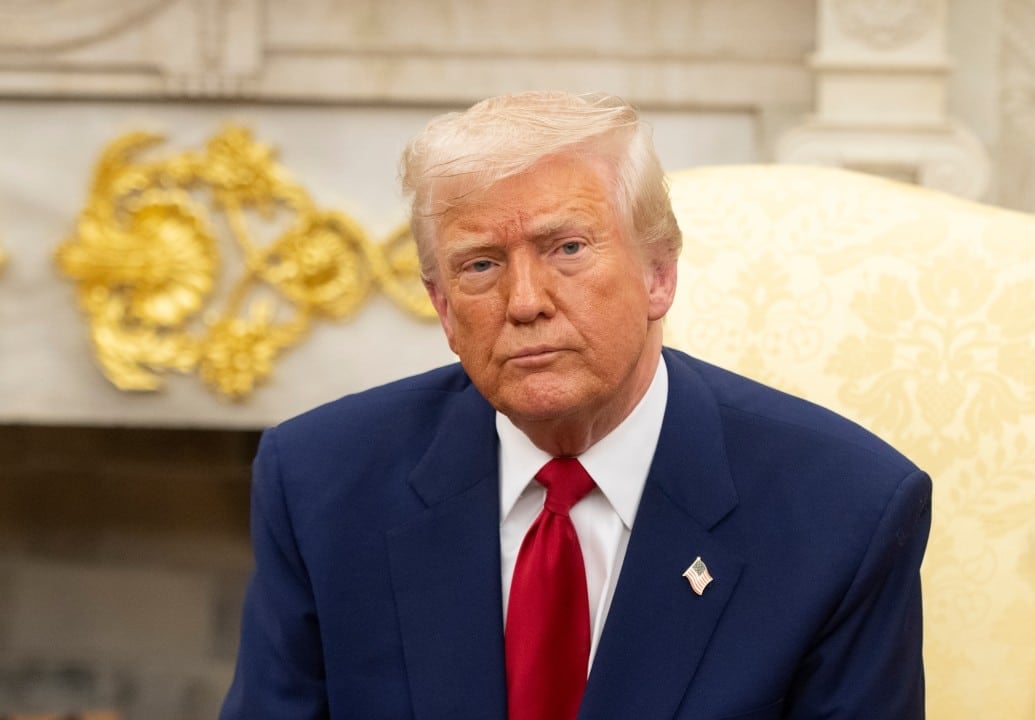
Trump – Photo: Brian Jason / Shutterstock.com
Lawsuit filed in violation of regulations
21 Democratic states, led by New York Attorney General Letitia James, filed the lawsuit in the federal district court for Massachusetts. They argue that the policy is part of the 1965 High School Act, which automatically qualifies governments and 501(c)(3) nonprofit organizations.They argue that it violates the Equal Education Act and could affect teachers and lawyers who have comprehensive curricula. Immigrant cattle.
The second lawsuit, filed by Democracy Forward and Protect Borrowers, includes cities such as Chicago and Boston, as well as labor unions such as the American Federation of Teachers and the National Council of Nonprofit Organizations. The authors argue that the rule turns PSLF into a political tool, defies Congress and threatens civil service recruitment.
Both lawsuits seek to block the rules immediately, with hearings scheduled in the coming months.
The Plaintiffs Coalition represents millions of potential beneficiaries, including nurses and police officers, in a variety of situations.
Historical background and expected impact of PSLF
PSLF was established in 2007 under the George W. Bush administration to encourage careers in the civil service, and it is estimated that more than 9 million people will be eligible by 2022. Facility approvals increased under the Biden administration, but the Trump administration rolled back access to revenue plans in line with Project 2025 to reduce relief options.
The Williams Institute said the changes could exclude up to a quarter of LGBTQIA+ workers in the skilled sector, impacting recruitment by NGOs and local authorities. For example, hospitals with transgender care units are at risk of losing their qualifications entirely.
Experts such as Young Invincibles’ Alex Landrigan have labeled the measure illegal and harmful, predicting a judicial review that will test the limits of government.
Trump administration’s strategy on education
Since Jane, the administration has cut funding, starting in 2025, to school districts that don’t have restrictive policies for transgender students, such as around bathroom use or sports. The accelerating arrests and deportations of pro-Palestinian academics demonstrate the use of federal institutions to align them with political ends.
The Department of Education under Linda McMahon has prioritized reforms to avoid “subsidizing irreparable harm,” citing transgender procedures as an example. This approach integrates a larger effort to abolish the department, as well as conservative proposals.
Although Kent emphasizes neutrality, opponents see selectivity in the examples cited, such as immigration and gender.
Voices from experts and supporters
Neil McCluskey of the Cato Institute’s Center for Educational Freedom warns of broad interpretations that allow for ideological targeting. He questions the standard of proof that does not require a judicial conviction for disqualification.
Democracy Forward’s Skye Perryman says this rule is important for democracies.It is a political vendetta that has no place in the United States and says it represents a coalition that protects public rights.
Persis Yu of Protect Borrowers said the measure would silence dissent and dismantle accountability institutions.
These perspectives highlight the balance between tax reform and constitutional rights.